Mastering the 3D Rendering of Wall Paint Brushes Icon Assets for Creative Workflows
In the rapidly evolving landscape of digital design, the intersection of utility and aesthetics often defines the success of a project. One such element that bridges this gap is the Wall Paint Brushes Icon. While seemingly simple, these assets serve as critical components in user interfaces, educational materials, and immersive 3D environments. When combined with advanced 3D Rendering techniques, these icons transform from flat symbols into tangible, interactive objects that enhance user engagement. The emergence of cartoon-style renderings has further democratized access to high-quality assets, allowing creators to inject personality and vibrancy into their work without sacrificing technical precision.
The Evolution of Digital Brush Assets
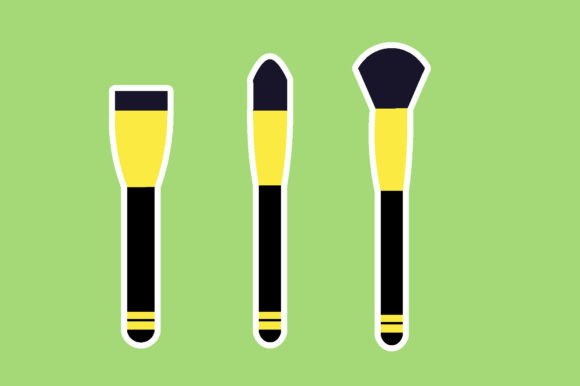
Historically, digital brushes were represented by static, two-dimensional sprites. These early iterations served a functional purpose but lacked depth and context. As technology advanced, the demand for more dynamic representations grew. Today, the standard for professional asset libraries includes fully modeled 3D objects. This shift allows designers to manipulate lighting, texture, and perspective in ways that were previously impossible. A modern 3D cartoon-style paint brush is not merely an image; it is a volumetric object capable of existing within a three-dimensional space, responding to light sources, and interacting with other elements in a scene.
This evolution is particularly evident in the creation of the Wall Paint Brushes Icon. By moving away from flat vector graphics to polygonal models, artists can achieve a level of realism or stylization that resonates more deeply with audiences. The transition supports a broader range of applications, from mobile game development to architectural visualization. The ability to rotate, scale, and animate these brushes adds a layer of interactivity that flat images simply cannot provide. For educators and business owners alike, this means creating more engaging presentations and marketing materials that capture attention instantly.
Technical Specifications and Format Versatility
A crucial aspect of modern 3D assets is their adaptability across different software ecosystems. High-quality resources are no longer confined to a single platform. The versatility of a robust asset pack is demonstrated through its availability in multiple industry-standard formats. For instance, a comprehensive collection might include:
- PNG Files: High-resolution 5000x5000 pixel images suitable for web design, print media, and UI overlays. These ensure crisp edges and vibrant colors even when zoomed in.
- FBX Files: Ideal for game engines like Unity and Unreal Engine, preserving animation data and skeletal structures if applicable.
- Blender Files (.blend): Providing full access to the modeling hierarchy, modifiers, and material nodes for custom editing.
- OBJ Files: A universal format compatible with almost all 3D software, ensuring seamless integration into diverse workflows.
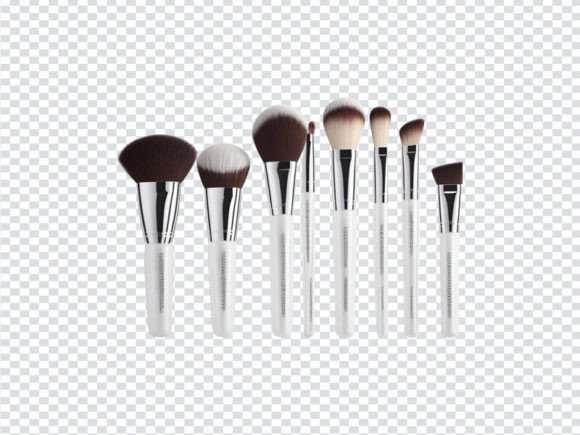
This multi-format approach ensures that whether you are a hobbyist working on a personal illustration or a professional developer building a complex video game, the asset remains accessible. The inclusion of four distinct pieces within a single set offers variety while maintaining a cohesive visual style. Each piece contributes to a unified aesthetic, allowing for consistency across a project's visual language.
Design Philosophy: Vibrant Colors and Cartoon Aesthetics
The decision to adopt a cartoon-style aesthetic for paint brushes is driven by both psychological impact and practical application. Unlike photorealistic renders which can sometimes feel cold or overly technical, cartoon styles evoke playfulness, creativity, and adventure. This makes them perfect for themes involving sports, education, or futuristic concepts where a human touch is desired. The use of vibrant colors is not arbitrary; it is a deliberate design choice to stimulate interest and guide the viewer's eye.
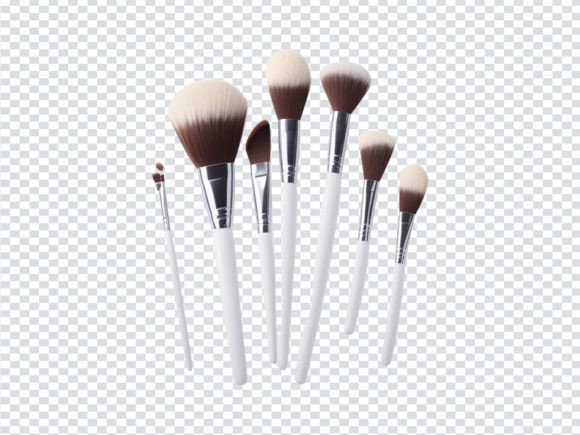
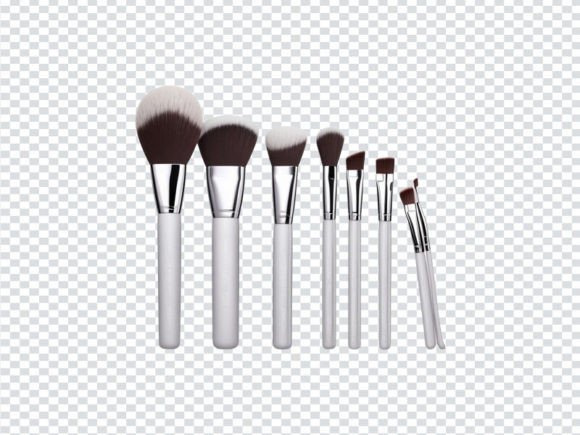
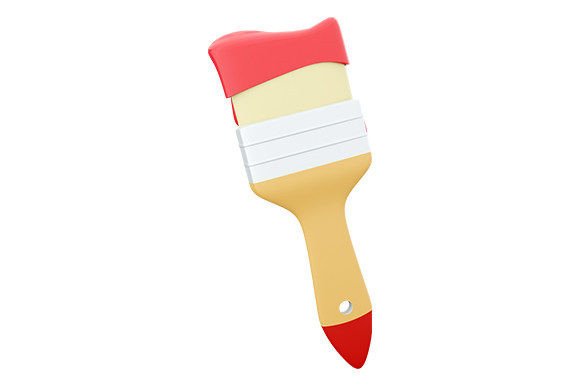
When designing a Wall Paint Brushes Icon, attention to detail is paramount. Every curve of the handle, the bristle texture, and the way light reflects off the metallic ferrule must be carefully considered. In a cartoon context, these details are exaggerated slightly to enhance character without losing recognizability. The bold lines and saturated hues make the icon stand out against complex backgrounds, ensuring it remains legible even at smaller scales. This design philosophy extends beyond mere decoration; it serves a functional role in user experience (UX) design by making tools intuitive and inviting.
Lighting and Texture in 3D Rendering
Achieving the perfect look in 3D Rendering requires a deep understanding of lighting and texturing. For cartoon-style assets, the lighting setup often mimics cel-shading or non-photorealistic rendering (NPR) techniques. This involves using specific shaders that create hard-edged shadows and smooth color gradients, reinforcing the illustrative quality of the model. Textures play an equally important role. Instead of relying solely on photographic maps, artists often use hand-painted textures that complement the stylized geometry.
The high resolution of the final output, such as the 5000x5000 PNGs mentioned earlier, ensures that these intricate details are preserved. When a user zooms in on a rendered image, they should see the individual strands of the brush bristles or the subtle wear on the wooden handle. This level of fidelity builds trust with the audience, signaling that the creator values quality. It also provides flexibility for post-processing, allowing editors to adjust contrast, saturation, or add effects without degrading the image quality.
Real-World Applications Across Industries
The utility of a well-crafted 3D cartoon-style paint brush extends far beyond a single niche. Its adaptability makes it a valuable resource for a wide array of professionals and industries.
Game Development and Interactive Media
In the realm of video games, assets need to be performant yet visually appealing. The FBX and OBJ formats allow developers to import these brushes directly into their game engines. They can be used as collectibles, inventory items, or environmental props. For example, in an adventure game, a glowing, oversized paint brush could serve as a magical tool for solving puzzles. The playful nature of the cartoon style fits seamlessly into family-friendly titles or indie games that prioritize artistic expression over hyper-realism.
Web Design and User Interfaces
For web designers, the PNG versions of these assets offer immediate value. They can be integrated into dashboards, creative agency websites, or educational platforms. A Wall Paint Brushes Icon can act as a call-to-action button, a section header graphic, or part of a larger infographic. The high resolution ensures that the icon looks sharp on Retina displays and large monitors, contributing to a polished and professional appearance. The ability to manipulate the 3D model before exporting allows designers to find the perfect angle and lighting for their specific layout.
Educational Tools and E-Learning
Educators are increasingly turning to 3D assets to make learning more engaging. Visual aids that look fun and approachable can help students grasp complex concepts faster. A cartoon-style paint brush can be used in art classes to demonstrate techniques or in science lessons to explain fluid dynamics. The Blender file format allows teachers or instructional designers to customize the asset, perhaps changing the color of the paint or the type of brush head to suit the lesson plan. This interactivity fosters a deeper connection between the learner and the material.
Marketing and Branding
Business owners looking to differentiate their brand can leverage these unique assets. A company specializing in home improvement, interior design, or creative services might use a stylized paint brush as part of their logo or promotional materials. The bold and playful style helps communicate a message of innovation and creativity. By incorporating 3D Rendering into their marketing campaigns, businesses can create eye-catching visuals that stand out in a crowded digital marketplace. The versatility of the formats ensures that the same asset can be used across social media, email newsletters, and printed brochures.
Workflow Integration and Best Practices
Integrating these assets into an existing workflow requires a strategic approach. Whether you are a solo creator or part of a large team, understanding how to utilize the different file formats effectively is key. Start by identifying the primary use case. If the goal is rapid deployment in a web environment, the PNG files may be sufficient. However, if customization is required, importing the Blender or OBJ files into your preferred 3D software is the best path forward.
When working with 3D Rendering software, it is essential to check the scale and units of the imported model. Ensuring that the Wall Paint Brushes Icon matches the scale of other objects in your scene prevents awkward proportions. Additionally, reviewing the material settings allows you to tweak the colors to match your project's palette. While the original assets come with vibrant colors, having the ability to adjust them ensures consistency across your entire design system.
Optimization is another critical consideration. For real-time applications like games or VR experiences, reducing the polygon count while maintaining visual fidelity is crucial. The provided FBX files are often optimized for performance, but further decimation might be necessary depending on the target platform. Conversely, for high-end cinematic renders, maximizing the detail and utilizing ray-traced lighting will yield the most stunning results. Understanding these nuances allows creators to maximize the potential of every asset in their library.
Future Trends in Digital Asset Creation
Looking ahead, the demand for versatile, high-quality 3D assets is only expected to grow. As virtual reality (VR) and augmented reality (AR) become more mainstream, the need for interactive, three-dimensional objects will increase. The 3D cartoon-style paint brush represents just one example of how traditional tools are being reimagined for the digital age. Future trends may include procedural generation, where assets can be dynamically created based on user input, or AI-driven styling that automatically adapts the look of an object to fit a specific theme.
Furthermore, the line between 2D and 3D continues to blur. Techniques like 2.5D rendering allow for the creation of images that have the depth of 3D but the stylistic simplicity of 2D. This hybrid approach is gaining popularity in UI design and motion graphics. The availability of assets in multiple formats positions creators to stay ahead of these trends, ensuring they have the tools necessary to experiment and innovate.
Ultimately, the value of a Wall Paint Brushes Icon lies not just in its visual appeal, but in its ability to facilitate creativity. By providing a foundation of high-quality, versatile assets, creators can focus on what truly matters: telling their story and connecting with their audience. Whether you are designing the next big video game, launching a new website, or teaching a class, these tools empower you to bring your vision to life with clarity and confidence. The fusion of technical excellence and artistic flair in these assets underscores the importance of investing in quality resources for any serious creative endeavor.