Mastering Procreate Seamless Retro Pattern Brushes for Dynamic Design
In the evolving landscape of digital illustration, the ability to quickly generate complex textures and backgrounds can define the difference between a good design and a great one. For artists working within the iPad ecosystem, Procreate Seamless Retro Pattern Brushes offer a unique solution that bridges the gap between manual texture creation and automated repetition. These tools are not merely decorative; they represent a fundamental shift in how creators approach surface detail, allowing for the rapid deployment of vintage aesthetics without the tedious labor of hand-painting every repeat.
The Mechanics of Seamless Repetition
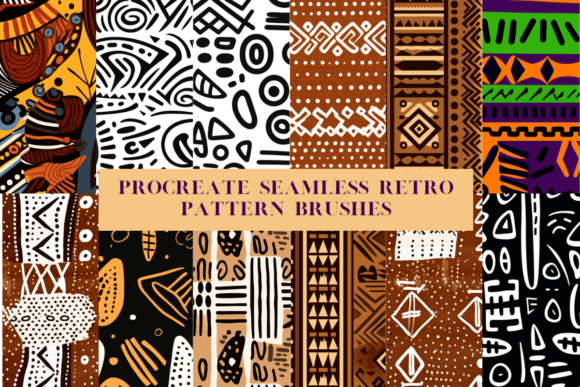
At the core of these digital assets is the concept of seamlessness. In traditional pattern making, ensuring that a design tiles perfectly requires precise alignment of edges so that no visible breaks occur when the image repeats. With Procreate Seamless Retro Pattern Brushes, this mathematical complexity is handled by the brush engine itself. When an artist selects one of these 30 seamless pattern brushes, they are accessing a pre-calculated tile that loops infinitely across the canvas.
The workflow is designed for fluidity. If you keep the brush size consistent, you can lift your Apple Pencil multiple times and resume drawing exactly where you left off without disrupting the continuity of the pattern. This feature is particularly valuable for large-scale projects such as wallpaper designs, fabric swatches, or expansive background illustrations where maintaining visual consistency is paramount. The brush remembers the phase of the pattern relative to the canvas coordinates, ensuring that the geometric integrity remains intact regardless of how many strokes are applied.
Controlling Scale and Density
One of the most powerful aspects of using these retro-inspired tools is the intuitive control over scale. Unlike static image stamps that require resizing in a separate editor, the scale of the pattern in Procreate is directly linked to the brush size setting. To change the density of the pattern, simply adjust the brush size slider. Increasing the size expands the repeating unit, creating a bolder, more prominent motif, while decreasing the size tightens the repetition for a finer, more subtle texture.
This dynamic scaling allows for immediate experimentation. A designer might start with a small brush size to create a delicate grain on a character's clothing and then instantly switch to a larger size to fill a background with bold geometric shapes. This flexibility eliminates the need to load multiple variations of the same pattern at different resolutions, streamlining the creative process significantly.
Customization Through Color Integration
While the structure of the pattern is fixed within the brush file, the visual output is entirely customizable through color selection. The user chooses the color, and the brush applies it dynamically to the retro motifs. This capability transforms a single brush into dozens of potential variations. A single geometric diamond pattern can be rendered in pastel pinks for a soft, nostalgic feel or in high-contrast black and white for a stark, modern editorial look.
For professionals managing brand identities, this feature is indispensable. It ensures that the texture adheres strictly to specific color palettes without requiring post-processing adjustments in other software. By selecting the exact hex code required for a project, creators can apply the Procreate Seamless Retro Pattern Brushes directly onto their artwork, knowing the color fidelity will remain accurate throughout the layer stack.
Practical Applications Across Industries
The utility of these brushes extends far beyond simple hobbyist doodling. They serve as critical assets for a wide range of industries, from fashion design to interior decoration and digital publishing.
- Fashion and Textile Design: Designers can rapidly prototype fabric patterns. By applying a retro floral or geometric brush to a garment mockup, they can visualize how a print will look on silk, cotton, or denim before committing to physical production samples.
- Interior Architecture: Architects and interior designers use these tools to render realistic wall coverings and flooring. The ability to seamlessly tile a pattern allows for accurate visualization of room scales, helping clients understand how a retro aesthetic will occupy a physical space.
- Graphic and Packaging Design: Brand managers often seek to evoke nostalgia to connect with consumers. Using these brushes, they can create packaging that feels vintage yet modern, utilizing the seamless nature of the tool to wrap designs around cylindrical objects like bottles or boxes without awkward seams.
- Digital Publishing: Illustrators creating books, magazines, or web content can use these patterns to add depth to flat layouts. A subtle retro grid can serve as a background that adds texture without distracting from the primary text or imagery.
Educational and Research Perspectives
For educators teaching digital art history or graphic design principles, these brushes provide an excellent case study in the evolution of pattern-making. Students can analyze the underlying geometry of retro styles—such as Art Deco, Mid-Century Modern, or 1980s Memphis design—and see how these historical forms translate into digital algorithms. Researchers studying consumer trends can also utilize these assets to simulate market reactions to specific vintage aesthetics, testing how different color combinations and pattern densities influence viewer perception.
Workflow Optimization for Creators
Integrating Procreate Seamless Retro Pattern Brushes into a daily workflow requires understanding how they interact with other layers and blending modes. Because these brushes often produce solid shapes or distinct lines, they work exceptionally well when combined with opacity adjustments. Lowering the opacity of the brush stroke allows the pattern to blend softly with underlying colors, creating a sense of atmospheric depth rather than a hard overlay.
Furthermore, the "lift" technique mentioned earlier is a cornerstone of efficiency. Artists can paint a section of a pattern, stop to review their composition, and then return later to continue the stroke without worrying about misalignment. This non-linear approach encourages experimentation. An illustrator might sketch a rough layout, apply a pattern to test a background idea, and then refine the foreground elements, all while maintaining the structural integrity of the design.
Avoiding Common Pitfalls
While these tools are powerful, there are considerations to keep in mind to ensure professional results. One common issue arises when changing the canvas resolution after the pattern has been applied. Since the pattern is tied to the pixel grid, resizing the canvas can sometimes distort the seamless nature of the repeat if not done carefully. It is generally advisable to set the final resolution of the document before beginning to apply the pattern brushes.
Additionally, while the color customization is flexible, the contrast of the pattern is determined by the brush's internal alpha channel. Users should ensure that the selected color provides sufficient contrast against the background layer. A light gray pattern on a white background may disappear, whereas the same pattern in dark navy would stand out vividly. Understanding these interactions is key to leveraging the full potential of the Procreate Seamless Retro Pattern Brushes.
The Aesthetic Appeal of Retro Design
The resurgence of retro aesthetics in contemporary design is driven by a desire for authenticity and warmth in a digital world. The 30 seamless pattern brushes included in this collection capture the essence of various eras, from the psychedelic swirls of the 1960s to the sharp angles of the 1970s. These patterns do more than just fill space; they evoke emotion and memory.
When used correctly, these patterns can anchor a design in a specific time period while allowing for modern interpretation. The combination of vintage motifs with the precision of digital tools creates a hybrid style that is both nostalgic and fresh. This duality makes them highly versatile for business owners looking to differentiate their brand identity or creators aiming to tell a story through visual language.
Future Trends in Digital Texturing
As digital art tools continue to evolve, the demand for intelligent, procedural textures like these seamless brushes is likely to grow. The ability to manipulate scale, color, and placement in real-time represents a significant step forward in democratizing complex design techniques. What once required hours of vector manipulation can now be achieved in seconds, freeing up artists to focus on composition and creativity rather than technical execution.
For the broad audience of professionals and hobbyists alike, mastering these tools offers a competitive edge. Whether designing a logo, illustrating a children's book, or planning a home renovation, the capacity to apply high-quality, seamless retro patterns efficiently is a skill that enhances the quality and speed of any creative endeavor. By embracing these resources, creators can unlock new dimensions of expression, turning simple strokes into rich, textured narratives that resonate with audiences across the globe.