Hand Painted Brushes: Authentic Artistry for Modern Designs
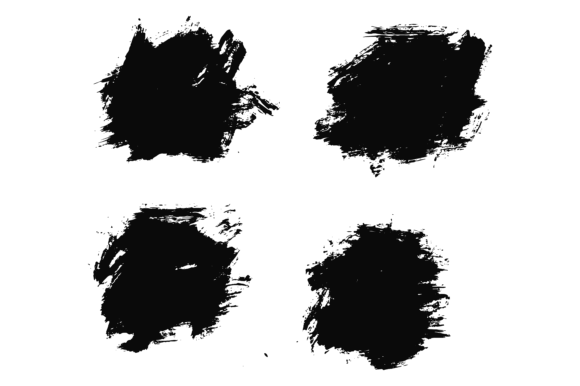
In a digital landscape often dominated by sterile vectors and perfectly symmetrical geometric shapes, there is a growing hunger for the imperfect. Consumers and creators alike are seeking textures that feel human, organic, and tactile. This is where Hand Painted Brushes become an indispensable asset for designers, artists, and business owners. These digital tools capture the essence of traditional media—the splatter of watercolor, the grit of charcoal, or the fluid sweep of an oil stroke—and translate them into versatile formats ready for modern application.
Unlike standard clip art or rigid vector paths, hand-painted elements bring a soulful narrative to your projects. Whether you are crafting a logo for a boutique coffee shop, designing a line of apparel, or creating heartfelt greeting cards, these brushes provide the unique character that mass-produced graphics simply cannot replicate. By integrating these artistic strokes, you bridge the gap between digital convenience and artisanal quality.
The Essence of Digital Hand-Painted Textures
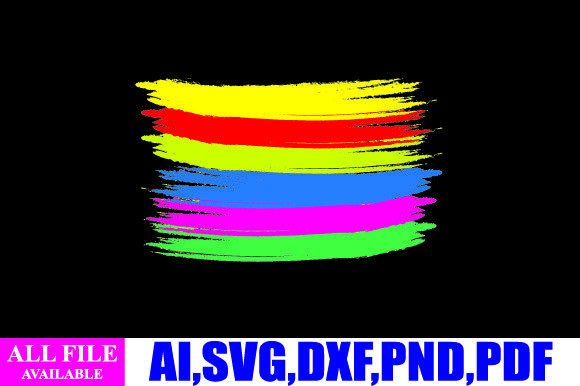
At their core, Hand Painted Brushes are digital representations of physical painting techniques. They are created by artists who physically paint on canvas or paper, scan the work at high resolution, and then process it into usable graphic files. The result is a library of strokes that retain the original brush's texture, pressure variation, and color blending nuances.
The value of these assets lies in their ability to evoke emotion. A perfectly straight line suggests precision and technology, while a slightly uneven, textured stroke suggests warmth, creativity, and human effort. When applied to a design, they immediately signal to the viewer that care and individuality have been invested in the product. This emotional connection is particularly powerful in branding, where standing out from competitors is essential.
Why Texture Matters in Visual Communication
Texture adds depth to flat designs. In the realm of web design and print media, adding a layer of grain or a painted edge can make an image pop off the screen or page. It breaks up solid blocks of color and creates visual interest without cluttering the composition. For instance, using a soft, watercolor-style brush behind text can create a dreamy, ethereal background that is far more engaging than a simple gradient.
Furthermore, these brushes offer versatility. A single set of Hand Painted Brushes can be used to create borders, backgrounds, accents, or even entire illustrations. This flexibility allows creators to maintain a consistent aesthetic across various mediums without needing to commission custom artwork for every single element.
Versatile Applications Across Products and Media
One of the most compelling aspects of these design assets is their adaptability. They are not confined to a single type of project; instead, they serve as a foundational element for a wide array of products. From wearable fashion to home decor and stationery, the applications are nearly limitless.
Fashion and Apparel: Shirts, Hoodies, and Hats
In the fashion industry, authenticity is currency. Designers use Hand Painted Brushes to create unique prints for t-shirts, hoodies, and hats that stand apart from generic screen-printed graphics. Imagine a hoodie featuring a bold, abstract splash of color that looks like it was painted directly onto the fabric. This effect, achieved through high-quality brush strokes, gives the garment an avant-garde, street-art vibe that resonates with younger demographics and fashion-forward consumers.
For hats, smaller, more intricate brush details can add a subtle touch of elegance or ruggedness. A baseball cap with a distressed, hand-painted logo feels more vintage and worn-in than one with a crisp, digital vector logo. This perceived "lived-in" quality often increases the perceived value of the item.
Home Decor: Cups, Mugs, and Pillows
Personalized home goods are a booming market, and Hand Painted Brushes play a significant role in making these items feel bespoke. On mugs and cups, floral or abstract brush strokes can transform a plain ceramic surface into a piece of functional art. The organic nature of the brushwork complements the natural materials often found in kitchens and living spaces.
Pillows and throw covers also benefit immensely from this style. A pillowcase featuring a large, sweeping watercolor brushstroke can serve as a focal point in a minimalist room. Because these designs are available in high-resolution formats, they scale beautifully from small coasters to large cushion covers without losing their textured integrity.
Stationery: Greetings and Thank You Cards
In the world of stationery, the personal touch is paramount. Greeting cards and thank-you notes are meant to convey sentiment, and nothing says "sincere" quite like a hand-drawn aesthetic. Using Hand Painted Brushes to create borders, background washes, or decorative flourishes makes a card feel crafted rather than printed.
For businesses sending thank-you cards to clients, this approach elevates the brand image. It suggests that the company values relationships and puts thought into every interaction. A simple "Thank You" message surrounded by delicate, hand-painted botanical strokes leaves a lasting impression that a standard corporate template never could.
Technical Specifications and Workflow Integration
While the artistic appeal is clear, the practical utility of these assets depends heavily on their technical quality. To ensure professional results, the file formats provided are critical. High-end Hand Painted Brushes packages typically include two primary formats: EPS Editable and PNG transparent 300 DPI RGB.
The Power of EPS Editable Files
The EPS (Encapsulated PostScript) format is a staple for professional graphic design. Being editable means that designers can manipulate the brush strokes within vector software like Adobe Illustrator. You can change colors, resize the elements infinitely without pixelation, and combine multiple strokes to create complex compositions. This flexibility is essential for branding projects where color consistency and scalability are non-negotiable.
With an editable EPS file, you are not stuck with the original colors. If your brand palette requires a specific shade of teal, you can instantly recolor the entire brush stroke while maintaining its texture and shape. This saves hours of manual redrawing and ensures perfect alignment with corporate identity guidelines.
High-Resolution PNG Transparency
For projects requiring raster images, such as photo editing in Photoshop or preparing files for direct-to-garment printing, the PNG format is ideal. Specifically, a transparent 300 DPI RGB PNG is the gold standard for print-ready assets.
- Transparency: Allows the brush stroke to be placed over any background color or image without an unsightly white box around it.
- 300 DPI: Ensures that the image remains crisp and sharp when printed at full size. Lower resolutions would appear blurry or pixelated on physical products like mugs or pillows.
- RGB Color Mode: Optimizes the colors for digital screens and modern printing processes that utilize light-based color mixing.
This dual-format delivery ensures that whether you are working on a digital ad campaign or a physical product line, you have the right tool for the job.
Evaluating Suitability for Your Projects
Before integrating Hand Painted Brushes into your workflow, it is important to consider how they fit your specific needs. While they offer immense creative freedom, they are not a one-size-fits-all solution.
Consider the Brand Identity: If your brand is strictly corporate, legal, or medical, the chaotic nature of some hand-painted styles might clash with the desired message of order and sterility. However, for lifestyle brands, creative agencies, eco-friendly products, and educational resources, these brushes are almost always a perfect match.
Assess Production Methods: If you are planning to screen print on textiles, ensure the brush strokes are not too fine or detailed, as very thin lines may not transfer well during the printing process. Conversely, for digital-only projects, you can push the complexity much further. Always test a mockup before committing to a large production run.
Budget and Time Efficiency: Commissioning a real artist to paint every single design element can be prohibitively expensive and time-consuming. Using a library of Hand Painted Brushes offers a cost-effective alternative that delivers a similar aesthetic in a fraction of the time. It allows small business owners and freelancers to compete visually with larger corporations that have bigger budgets.
Real-World Scenarios and Creative Potential
Imagine a local bakery launching a new line of seasonal cookies. Instead of a generic logo, they use a set of warm, golden-brown Hand Painted Brushes to create a border for their packaging. The texture mimics the crumbly surface of the cookie itself, creating a subconscious link between the design and the taste. Customers perceive the product as homemade and fresh.
Or consider a wedding planner creating invitations. By using soft, pastel watercolor brushes, she can create a romantic, dreamy atmosphere that sets the tone for the event. The transparency of the PNG files allows her to overlay the brush strokes on photos of the couple, blending the digital art with reality seamlessly.
These examples illustrate that Hand Painted Brushes are more than just graphic elements; they are storytelling tools. They allow creators to infuse their work with personality, warmth, and a sense of craftsmanship that resonates deeply with audiences in an increasingly automated world.
Conclusion
The integration of Hand Painted Brushes into modern design workflows represents a harmonious blend of tradition and technology. By offering editable EPS files and high-resolution transparent PNGs, these assets empower creators to produce professional, high-quality designs for shirts, hoodies, hats, cups, mugs, pillows, greetings, and thank you cards with ease.
Whether you are a seasoned designer looking to expand your toolkit or a business owner aiming to elevate your brand's visual identity, understanding the power of these textured elements is key. They provide the authentic touch that turns a good design into a great one, fostering connections with audiences who crave genuine, human-centric creativity. As you embark on your next project, remember that sometimes the most effective way to communicate is to let your design breathe, bleed, and feel alive—just like a true masterpiece.