Evaluating Realistic Make Up Brushes 10 for Digital Design Projects
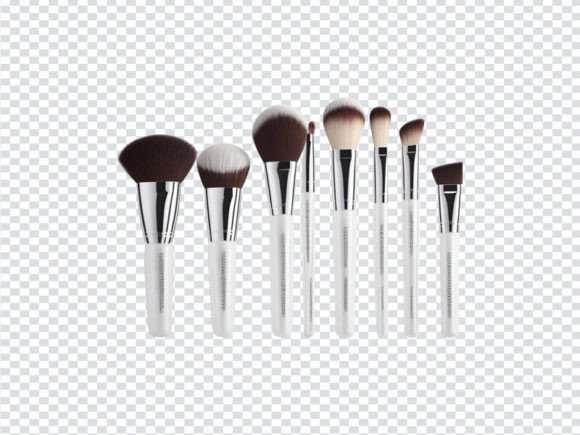
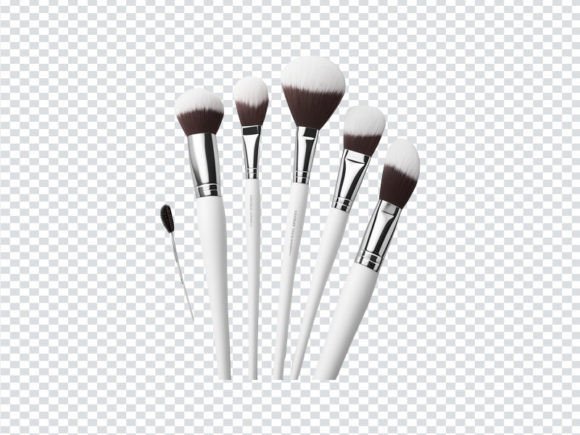
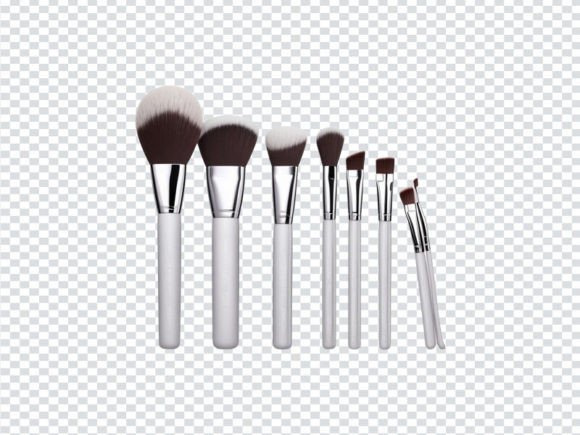
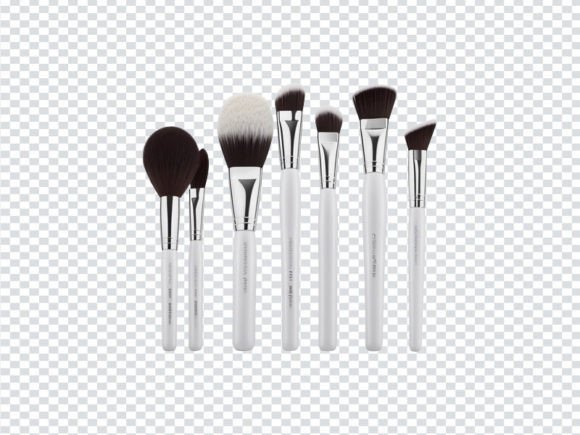
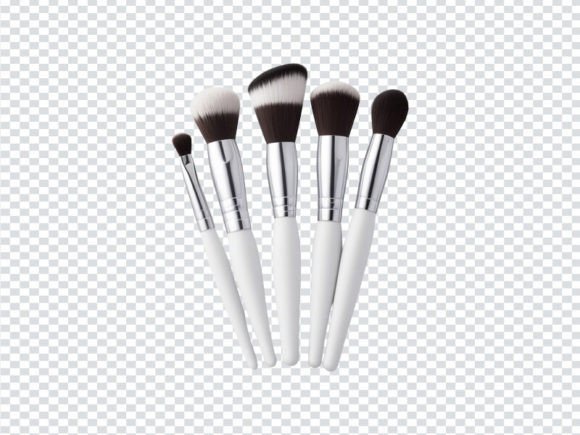
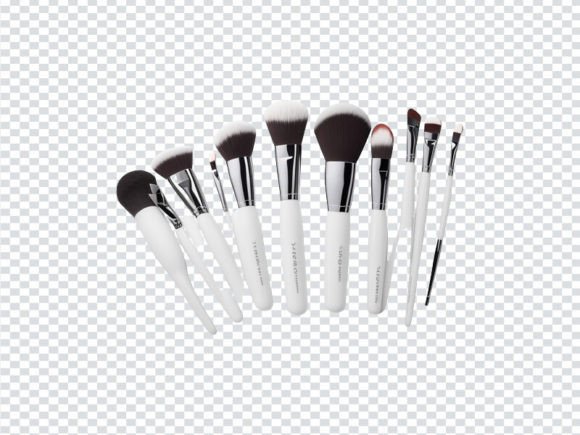
In the realm of digital illustration and graphic design, the texture and authenticity of assets often determine the success of a final composition. For designers creating beauty tutorials, cosmetic packaging mockups, or editorial layouts, the quality of brush tools is paramount. Realistic Make Up Brushes 10 represents a specific category of high-resolution digital assets designed to replicate the physical characteristics of professional makeup application tools. Unlike generic vector shapes or low-fidelity clip art, this collection focuses on photorealism, offering a level of detail that bridges the gap between stock photography and custom illustration.
When evaluating resources like Realistic Make Up Brushes 10, it is essential to understand what distinguishes them from standard design elements. The primary differentiator lies in the resolution and file structure. These assets are provided as high-resolution digital images at 300 DPI, a standard requirement for print-quality output. This specification ensures that when a designer scales a brush image for a magazine spread or a large-format poster, the edges remain crisp, and the bristle details do not pixelate. Furthermore, the inclusion of both JPEG and PNG formats offers flexibility; JPEGs provide efficient compression for web previews, while PNGs allow for transparent backgrounds, enabling seamless integration into complex layered compositions without unsightly white boxes.
Understanding the Technical Specifications and File Quality
The technical foundation of Realistic Make Up Brushes 10 is built upon the promise of superior image fidelity compared to typical preview samples. In many digital marketplaces, buyers are initially presented with watermarked, low-resolution thumbnails to prevent theft. However, the actual deliverable for this product removes those barriers. The files you receive are significantly larger in file size and much better quality than the samples shown during the browsing phase. This distinction is critical for professionals who require clean, unobstructed assets for commercial use.
A key feature of this download is the absence of watermarks in the final files. Watermarks can severely limit the usability of an asset, forcing designers to spend valuable time using cloning tools or content-aware fills to remove branding before the asset can be utilized. By providing clean, watermark-free images, Realistic Make Up Brushes 10 streamlines the workflow. The instant download format, delivered as a zip file containing separate image files, allows users to immediately access the full library without waiting for processing times or email approvals. This immediacy is particularly beneficial for freelancers working under tight deadlines or agencies managing multiple concurrent projects.
Comparing High-Res Downloads with Vector Alternatives
When considering tools for makeup-related design, creators often face a choice between raster-based downloads like Realistic Make Up Brushes 10 and vector-based alternatives. Each format serves a distinct purpose, and understanding the tradeoffs is vital for making an informed decision. Vector graphics are defined by mathematical equations, allowing for infinite scalability without loss of quality. They are ideal for logos, icons, and flat illustrations where clean lines and solid colors are required. However, vectors often struggle to capture the nuanced textures of real-world objects, such as the individual strands of bristles on a makeup brush or the subtle wear on a handle.
In contrast, the raster images found in Realistic Make Up Brushes 10 excel at capturing these photorealistic details. Because they are high-resolution photographs or photorealistic renders, they retain the lighting, shadows, and material properties of actual brushes. If a project requires a "look and feel" that mimics reality—such as a product advertisement for a new foundation brush—the raster approach is superior. While vectors offer flexibility in resizing, they cannot easily replicate the organic imperfections that make a brush look authentic. Therefore, if the design goal is realism rather than stylization, the high-DPI raster files are the more appropriate choice.
Assessing Use Cases and Best-Fit Scenarios
The utility of Realistic Make Up Brushes 10 extends across various professional applications, but it is most effective in specific contexts. One of the primary use cases is in the creation of educational content. Makeup artists and beauty bloggers frequently produce step-by-step guides or infographics. Using realistic brush images helps viewers identify the specific tool needed for a technique, reducing confusion and enhancing the instructional value of the content. The clarity of the 300 DPI images ensures that even small text annotations placed near the brush handles remain legible and the visual hierarchy is maintained.
Another significant application is in e-commerce and packaging design. Brands selling cosmetics need high-quality visuals to showcase their products. Instead of commissioning expensive photoshoots for every single SKU, designers can utilize realistic digital assets to create mockups. The ability to layer these PNG files over background images allows for the creation of composite scenes that appear professionally shot. Additionally, the variety included in the "10" set suggests a range of brush types, from foundation to eyeshadow, providing a versatile toolkit for comprehensive brand presentations.
However, there are scenarios where this resource may not be the optimal solution. If a project requires extreme manipulation, such as bending a brush handle into an abstract shape or changing the color of the bristles to a non-natural hue (like neon green), a raster image will present limitations. Raster files are static; altering them significantly often degrades the image quality. In such creative, abstract, or heavily modified contexts, starting with a vector illustration or a 3D model might be more efficient. Similarly, if the end output is strictly for a low-resolution screen environment where 72 DPI is sufficient, the large file sizes of the 300 DPI images might be unnecessary overhead, though they rarely cause performance issues in modern software.
Weighing Strengths, Limitations, and Decision Factors
To make a balanced evaluation of Realistic Make Up Brushes 10, one must weigh its strengths against potential limitations. The primary strength is undoubtedly the balance between convenience and quality. The instant download mechanism eliminates logistical delays, while the high resolution ensures professional-grade output. The inclusion of multiple file formats (JPEG and PNG) caters to different software requirements, ensuring compatibility with major design suites like Adobe Photoshop, Illustrator, and Canva. The lack of watermarks further enhances the value proposition, providing immediate commercial readiness.
Conversely, the limitations are inherent to the nature of raster imagery. Users must accept that these are fixed images; they cannot be edited in the same way a native brush tool within a painting software would be. They are assets to be placed and arranged, not dynamic tools to be used for drawing strokes. Additionally, while the set includes ten brushes, it may not cover every niche type of applicator a designer might encounter. For highly specialized needs, such as unique silicone sponges or vintage metal tools, supplementary research or custom photography might still be required.
Decision factors should revolve around the specific goals of the project. Ask whether the priority is speed and photorealism or total editability and abstraction. If the objective is to quickly assemble a high-fidelity layout for a beauty campaign, Realistic Make Up Brushes 10 offers a compelling solution. It removes the friction of sourcing, editing, and cleaning up assets, allowing the designer to focus on composition and messaging. However, if the project demands experimental manipulation or unique artistic alterations that go beyond standard placement, exploring vector libraries or 3D modeling resources might yield better results.
Conclusion on Resource Selection
Selecting the right digital assets is a strategic process that impacts the final quality of any design project. Realistic Make Up Brushes 10 stands out as a robust option for professionals seeking high-fidelity, ready-to-use imagery that captures the essence of real makeup tools. Its combination of 300 DPI resolution, dual file formats, and watermark-free delivery addresses common pain points in the design workflow. While it may not replace the need for vector graphics in every situation, its strengths in photorealism and ease of use make it an invaluable resource for beauty industry marketing, educational materials, and product visualization. By understanding its capabilities and limitations, designers can confidently integrate these assets into their workflows, ensuring their visual communications meet the highest standards of professionalism and clarity.