Dotted Vertical Lines Photoshop Brushes
In the world of modern graphic design, the most powerful visual statements are often made with the simplest elements. A single line can guide the eye, separate content, or add a touch of sophisticated texture to a layout without overwhelming the viewer. This is exactly why Dotted Vertical Lines Photoshop Brushes have become an essential tool for designers seeking to refine their visual hierarchy and elevate their creative assets. These aren't just simple strokes; they are versatile design components that bridge the gap between minimalist aesthetics and functional utility.
The Power of Precision in Visual Design
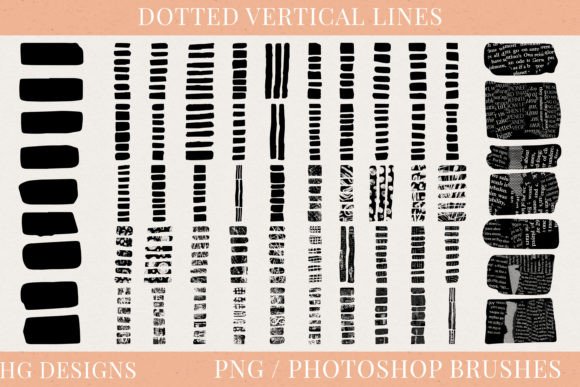
Effective branding relies heavily on consistency and attention to detail. When you are crafting a brand identity or working on a logo design, every pixel counts. The specific set of 50 different dotted vertical lines offers a unique advantage: high-resolution precision. Each line is provided in PNG format at 300dpi and stands 5000 pixels tall. This level of resolution ensures that your designs remain crisp whether they are viewed on a mobile screen or printed on a large-format banner. In an era where digital marketing and social media graphics demand instant visual impact, having access to scalable, high-quality assets is crucial for maintaining a professional presentation.
Beyond the technical specifications, the versatility of these brushes streamlines the design workflow. Instead of manually creating dashed lines or struggling with spacing inconsistencies, designers can load the included .abr brush file directly into Photoshop. This immediate accessibility allows for rapid prototyping and iteration, which is vital when meeting tight deadlines for advertising campaigns or editorial layouts. By integrating these tools, creators can focus more on composition and color palette selection rather than getting bogged down in repetitive technical tasks.
Practical Applications Across Industries
The utility of dotted vertical lines extends far beyond basic page dividers. They serve as dynamic elements in various creative projects, enhancing everything from UI design to print media. Here are some key areas where these assets shine:
- Branding and Logo Design: Use subtle dotted lines to create unique frames around logos or to separate text elements in a way that feels modern and airy.
- Packaging Design: Incorporate these lines as background textures or structural guides on product boxes to suggest elegance and organization.
- Editorial and Web Layouts: Improve readability by using them as gutters between columns or as decorative separators in blog posts and magazine spreads.
- Social Media Content: Create eye-catching Instagram stories or Pinterest pins where the dotted lines add a sense of movement and rhythm to static images.
- Printable Crafts: Perfect for decoupage, collage, and junk journaling, these high-res lines work beautifully on physical paper crafts, adding a polished look to handmade items.
Enhancing User Experience and Engagement
In web design and UX design, visual cues play a critical role in guiding user interaction. Dotted lines can subtly direct attention to call-to-action buttons or organize complex information into digestible chunks. Unlike solid lines, which can sometimes feel rigid or heavy, dotted lines introduce a sense of lightness and approachability. This softens the overall aesthetic while still maintaining clear boundaries, making them ideal for modern interfaces that prioritize clean, uncluttered spaces.
When applied to digital products or merchandise, these lines contribute to a cohesive visual language. For instance, in sublimation printing for apparel or mugs, the pattern can wrap seamlessly around curves, offering a contemporary alternative to traditional stripes. The ability to scale these lines without losing quality means they adapt perfectly to various formats, ensuring that your design goals are met regardless of the medium.
Tips for Effective Implementation
To get the most out of these creative assets, consider the context of your project. Consistency is key; ensure that the spacing and weight of the dots align with your existing typography and color scheme. If your brand uses bold, heavy fonts, a thicker dotted line might complement it better than a fine one. Conversely, for delicate, elegant branding, a finer dot pattern will enhance the sophisticated feel.
Always test your designs at full size before finalizing. While the 300dpi resolution is excellent for print, checking how the lines render on different screens helps avoid any potential anti-aliasing issues. Remember that good design is about balance. Don't overuse decorative elements; let the dotted lines serve their purpose as supportive characters in your visual story rather than the main attraction.
Ultimately, the choice of design elements defines the quality of communication. By utilizing high-quality resources like this collection of dotted vertical lines, designers can achieve a polished, professional result that resonates with audiences. Whether you are building a new brand identity, designing a website, or crafting handmade paper art, thoughtful integration of these assets ensures your work stands out in a crowded marketplace. Quality creative tools empower you to translate ideas into impactful visuals that truly connect.